
Welcome to a session of Stephanie on her soapbox.
I recently read Tony Danza’s book I’d Like to Apologize to Every Teacher I Ever Had [Buy Bookshop Amazon LibroFM] and loved it, but when I went to Goodreads, I found a whole lot of negativity. It baffled me because I found this book to be conversationally written (which makes for an easy reading experience), fast paced, detailed, informative, and genuine. To me, it was all the things you’d want from a memoir about an actor teaching a high school class for a year.
Out of curiosity, I started reading some of the one- and two-star reviews. These reviews are riddled with complaints about him ‘bringing Hollywood into the classroom’ and that he talks about himself… in his own memoir. My favorite comment was that it lacked plot, as if this was a novel. The plot in a memoir is ‘this is what happened’.
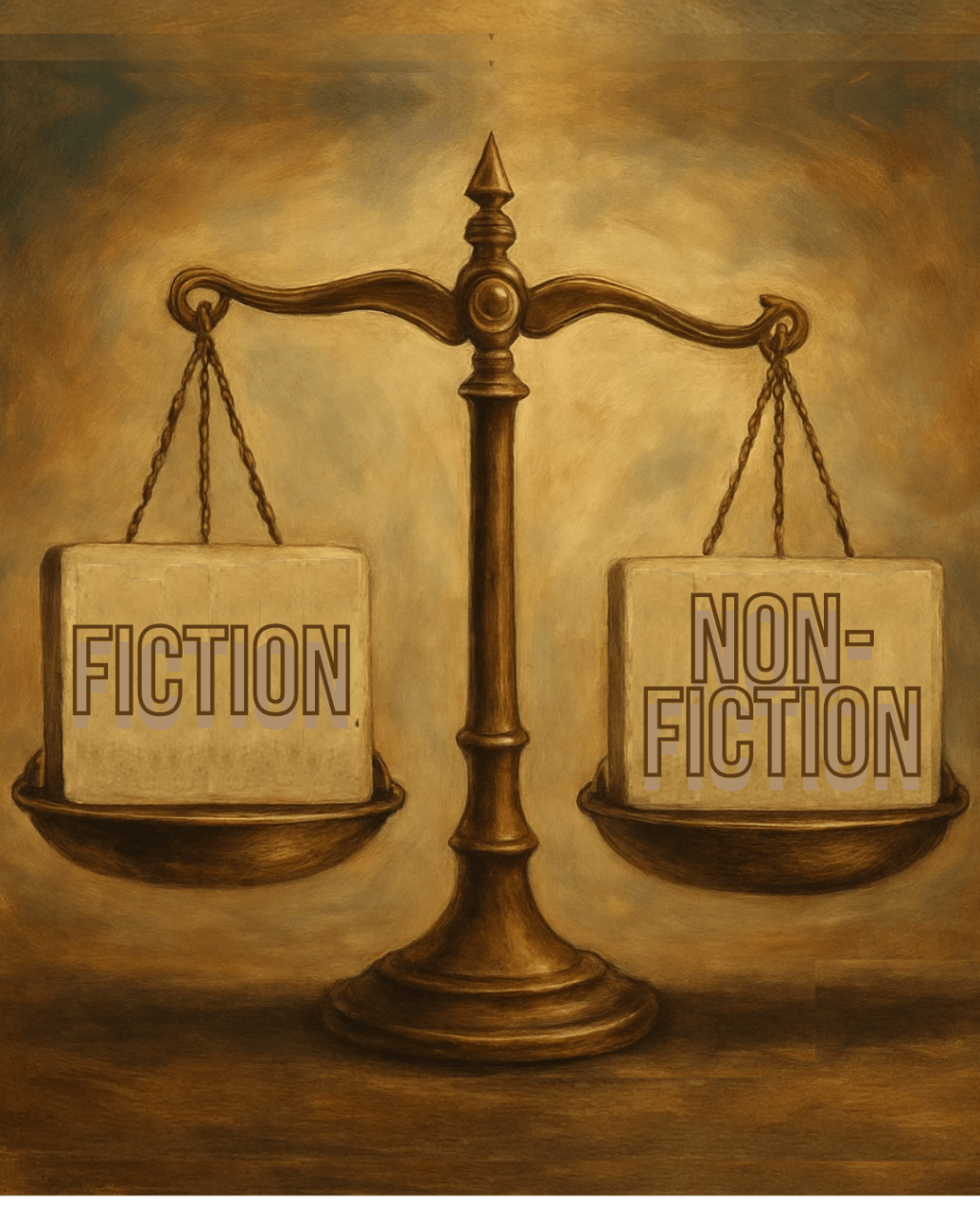
I feel like people are basing their judgements on the wrong aspects. My husband asked why it’s different for me to dislike a novel where my profession is misrepresented, but it’s different for teachers to dislike this book because it’s not reflective of their own experiences. To me, the difference is due to the nature between fiction and non-fiction.
With fiction, we are evaluating the writing, content and all, because they are creating a world. If a novel is set in reality, then you have to keep things accurate. As author Sarah Henning says, ‘true facts must be true’ when writing in a contemporary setting. That was in reference to an editor wanting her to change a race length from 5k to 3 miles, which would annoy anyone who ever ran cross country or track.
Getting a fact wrong can take a reader out of the story entirely and become a crack in the worldbuilding. I’m far from the only person who notices something inaccurate in a novel and gets annoyed by it. That doesn’t always stop our enjoyment of the story overall, but does leave a point of frustration. I remember talking with one of my friends about a Kennedy Ryan novel, where some situations leaned into my friend’s expertise. She said the book was good, but it would’ve been great had certain situations not been inaccurate. Factual details in contemporary fiction can cost ratings points, but not ruin the overall experience.
On the flip-side, with non-fiction, you aren’t judging the worldbuilding. The world exists and is true. There is no tweaking how something works to make the plot work the way you want it. Memoirs especially are meant to reflect the reality of the writer and share their perspective in a factual situation.
People complaining about I’d Like to Apologize to Every Teacher I Ever Had not being realistic are missing the point. It was real. This book is the facts of what happened and what he felt as he lived it. While writing this book, he even referenced the video from the TV show to make sure the dialogue was accurate so that no one was misrepresented.
Judging a memoir based on it not being the same as your experience, especially because the author’s experience was easier than yours, is ridiculous. It just comes off as jealous that someone had it a little bit easier than you. Danza isn’t out here saying every school is like this and every teacher should be able to create scavenger hunts for test review sessions. He’s sharing what he went through and how he handled the challenges he faced.
To me, it all feels like review-bombing out of jealousy. I wish people looked at this book based on the quality of the writing and not from a stance of ‘not fair’.
I feel like this lines up with how we’re seeing things play out in the world around us as well. There’s a lack of being able to let people be different than us, which is an inherently flawed way to look at others. We don’t really want to live in a society where everyone thinks and acts exactly the same as us. We need eachother to be different so we can grow and accomplish a variety of tasks. For example, I’m a words person, but we need math people too or this whole society won’t work. You don’t have to agree with everyone’s opinion, but refusing to accept that someone lived something different because it’s not what you experienced is dumb. Creating a divide because someone has a different expereience or perspective is truly moronic.
What do you think? Do you think non-fiction works should be judged harshly because someone’s experience doesn’t line up with yours?
 Literary Hypewoman
Leave a comment